Log in / Become a member
 EN
EN



Do Expensive Headphones Make Better Music? Why Price Isn’t the Point
Walk into any electronics store and you’ll see it immediately: headphones locked behind glass, triple-digit price tags, and the quiet suggestion that more money must mean better sound. For a long time, that assumption held up. Today, it doesn’t.
In 2026, better music isn’t about how expensive your headphones are. It’s about how well they’re tuned to you. Advances in audio technology have changed what “premium sound” actually means, and price alone is no longer the deciding factor.
THE MYTH: EXPENSIVE HEADPHONES = BETTER SOUND
For years, premium audio brands owned the narrative. Higher prices were tied to better drivers, cleaner tuning, and sound that carried an “audiophile-approved” stamp. And at one point, that was largely true. Hardware mattered more, and access to better components came at a cost.
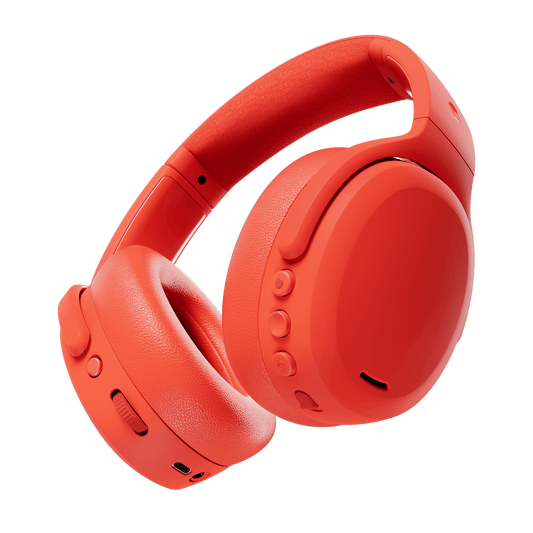
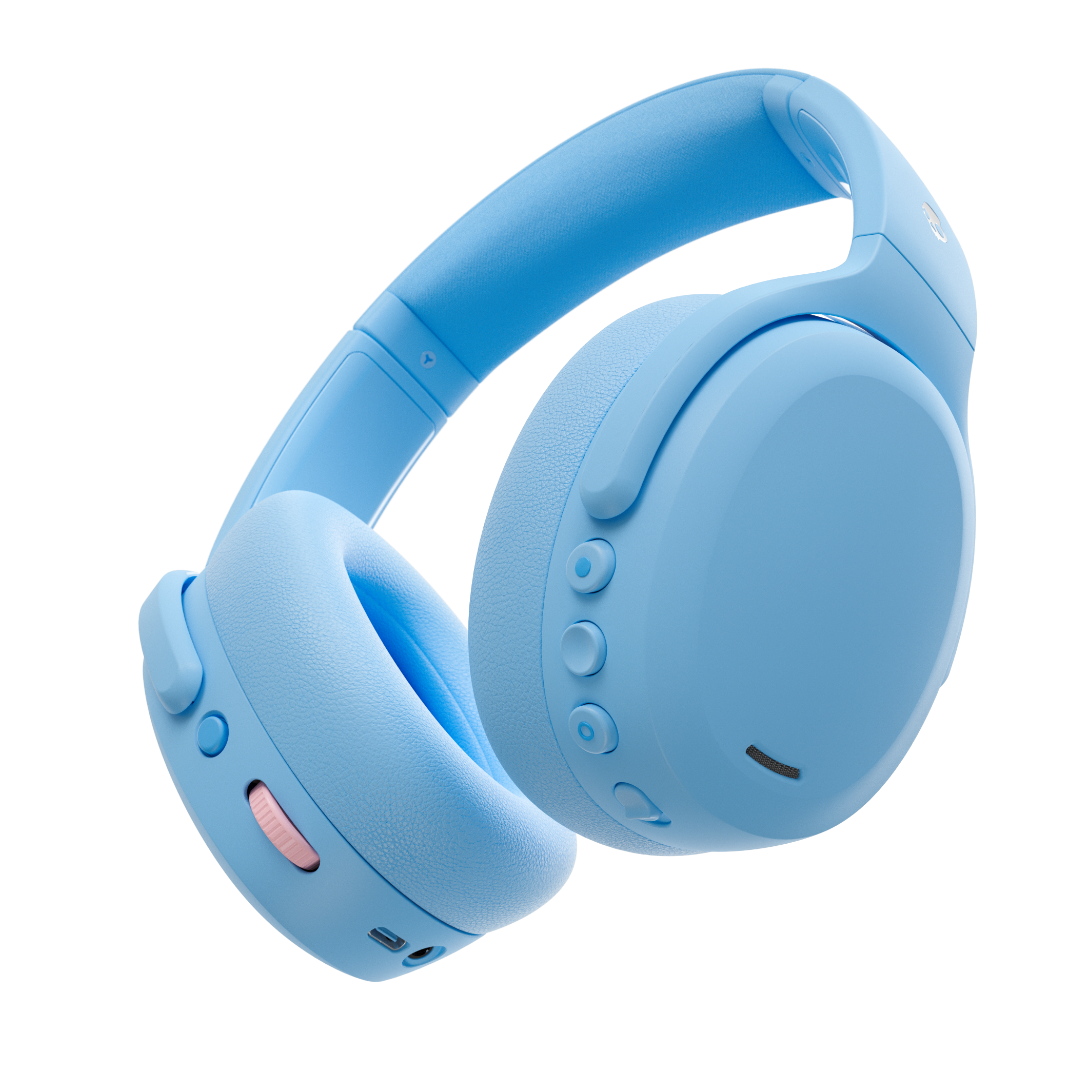
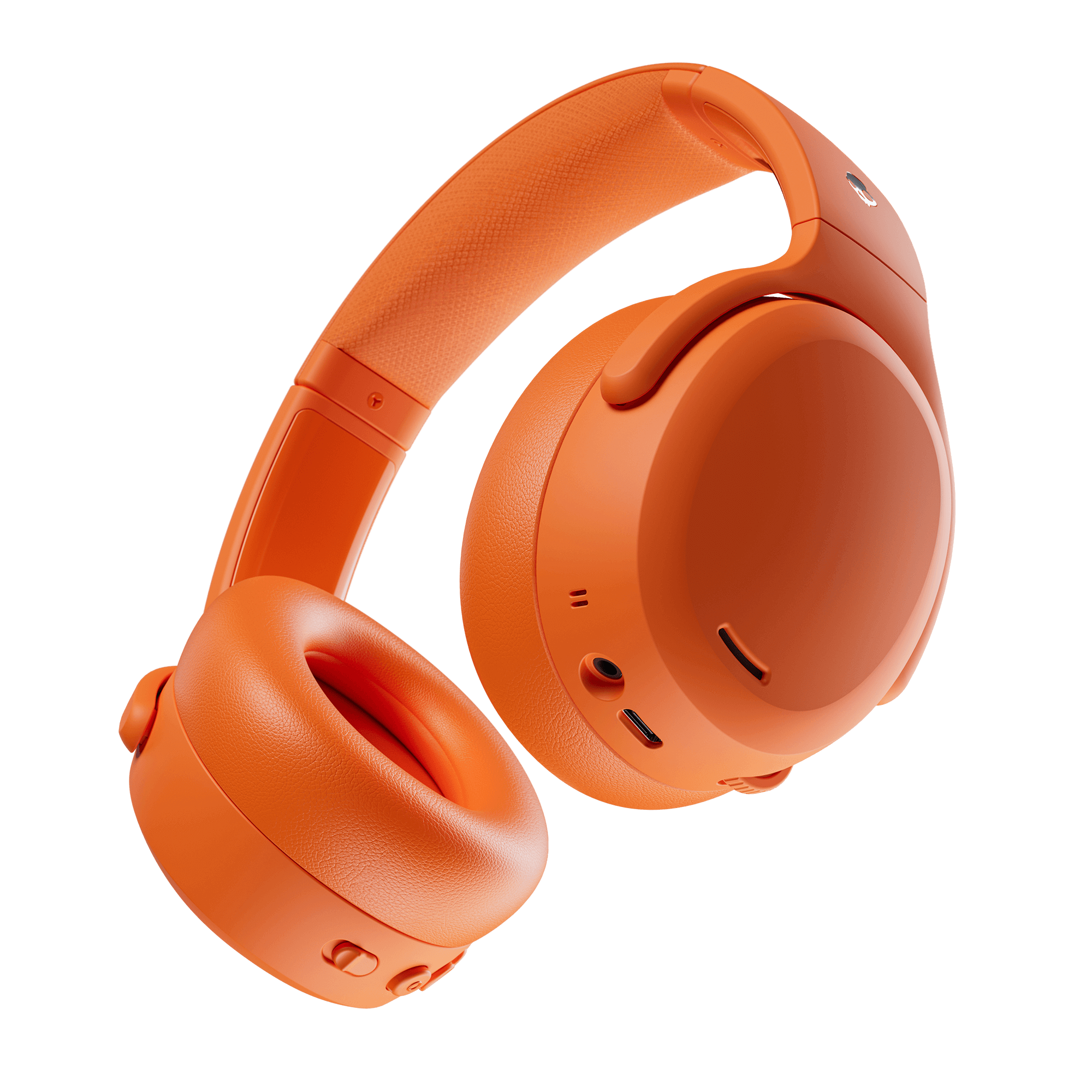
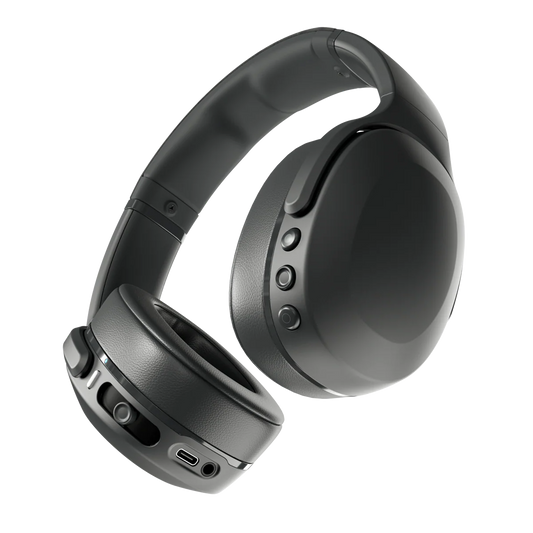
Modern audio has leveled the playing field. Skullcandy has put forward impressive audio products with digital signal processing, personalized sound profiles, advanced noise canceling, and efficient batteries now deliver high-end listening experiences without requiring a luxury price tag. Many expensive headphones today cost more because of branding, materials, or long-standing reputation, not because the music itself sounds dramatically better.
WHAT ACTUALLY MAKES MUSIC SOUND BETTER?
If price isn’t the point, what is? The biggest improvements in sound quality today come from how well headphones adapt to the listener and to real life.
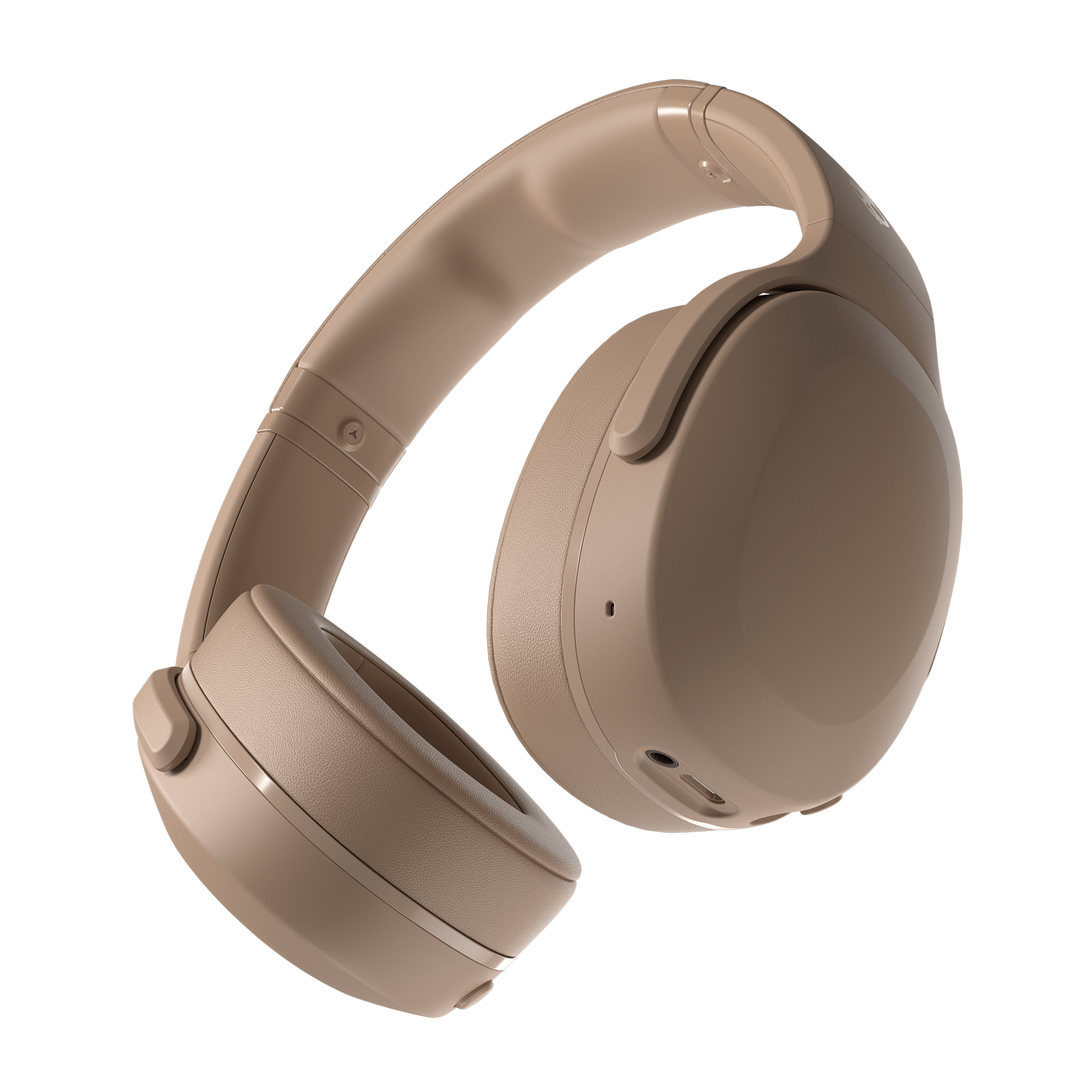
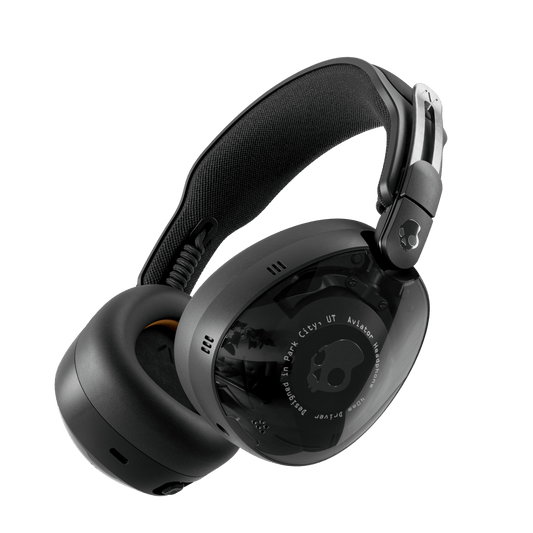
First, personalization matters more than perfection. No two people hear music the same way. Age, hearing sensitivity, and even ear shape affects how sound is perceived, which is why a single “perfectly tuned” headphone can sound amazing to one person and flat to another. Personalized audio solves this by adjusting frequencies to match your hearing, making vocals clearer, details sharper, and bass hit exactly where it should, regardless of price. When shopping the Skullcandy audio line-up, notice the Personal Sound feature in many headphones and earbuds such as Crusher Evo, Crusher ANC 2, and Aviator 900 ANC. Personal Sound by Mimi. This is an integrated technology
that customizes audio to an individual's unique hearing profile, enhancing clarity and detail. It uses a short, scientifically validated hearing test to create a personal hearing ID, which then adjusts sound in real-time, often allowing for lower listening volumes while improving sound quality. The hearing test and sound profile are managed in Skullcandy’s mobile application.
Bass control is another key factor. Bass isn’t about more or less. It’s about control. Too much overwhelms the mix, too little drains the energy. The ability to adjust bass depending on your mood, genre, or environment creates a more immersive experience than static tuning ever could, whether you’re listening to hip-hop, electronic, or acoustic tracks.
Noise canceling has also evolved. It’s no longer just about blocking the world out. It’s about choosing how much of it you let in. Smart active noise canceling and adjustable ambient modes give you control over your environment, making music sound better whether you’re commuting, working, or training. That flexibility matters far more than simply paying more for additional hardware.
Finally, comfort and daily usability play a bigger role than most people realize. Music sounds better when you actually want to keep listening. Lightweight designs, long battery life, quick charging, and intuitive controls all contribute to the experience. A technically impressive headphone that hurts after an hour or dies mid-day doesn’t deliver better sound, no matter the price.
WHY EXPENSIVE DOESN’T ALWAYS MEAN PREMIUM ANYMORE
Many high-priced headphones still rely on a one-size-fits-all sound philosophy, assuming neutral tuning equals better music and that listeners should adapt to the product. Modern audio flips that idea. The best headphones adapt to the listener, using personalization and smart software to create an experience that feels premium because it’s relevant, not exclusive.
Great sound isn’t about impressing audio forums or reading spec sheets. It’s about how the music feels the moment you press play.
THE BOTTOM LINE
If you’re shopping for headphones and wondering whether spending more means hearing more, here’s the truth: the best headphones aren’t the most expensive. They’re the most personal.
When sound is designed around how you listen, music hits harder, feels clearer, and stays with you longer. That’s something no price tag can promise.
Better music isn’t about what you pay.
It’s about what you feel when the beat drops.